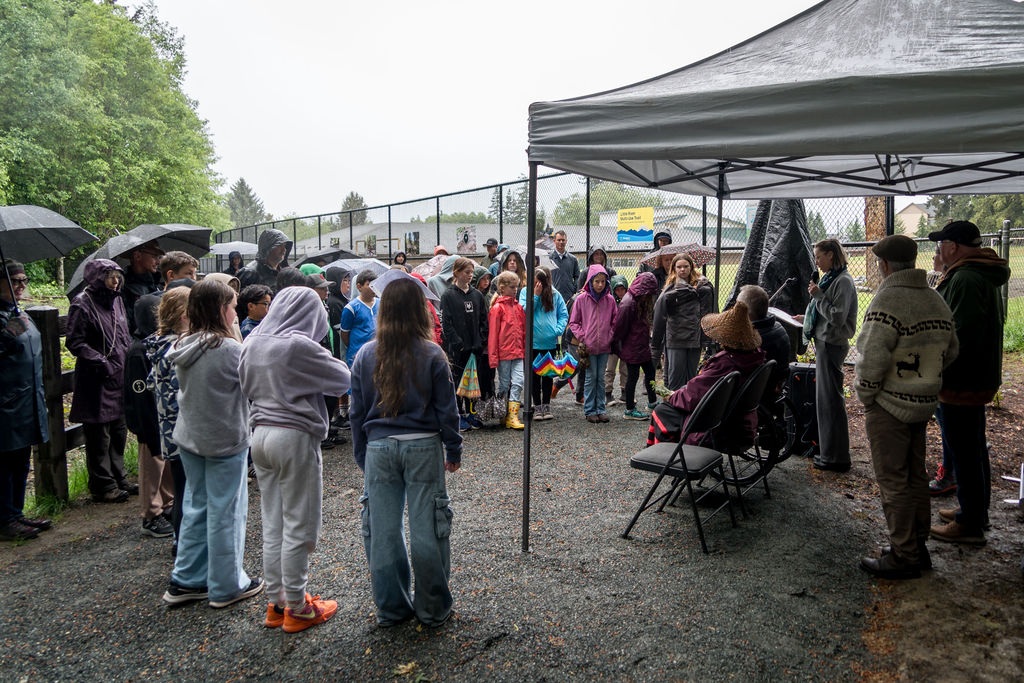
It’s an honour to be here as we mark the opening of the Little River—DeMamiel Creek—Pedestrian Crossing and Multi-Use Trail.
Today is about connection—connection between places, between people, and to the landscape that defines Sooke.
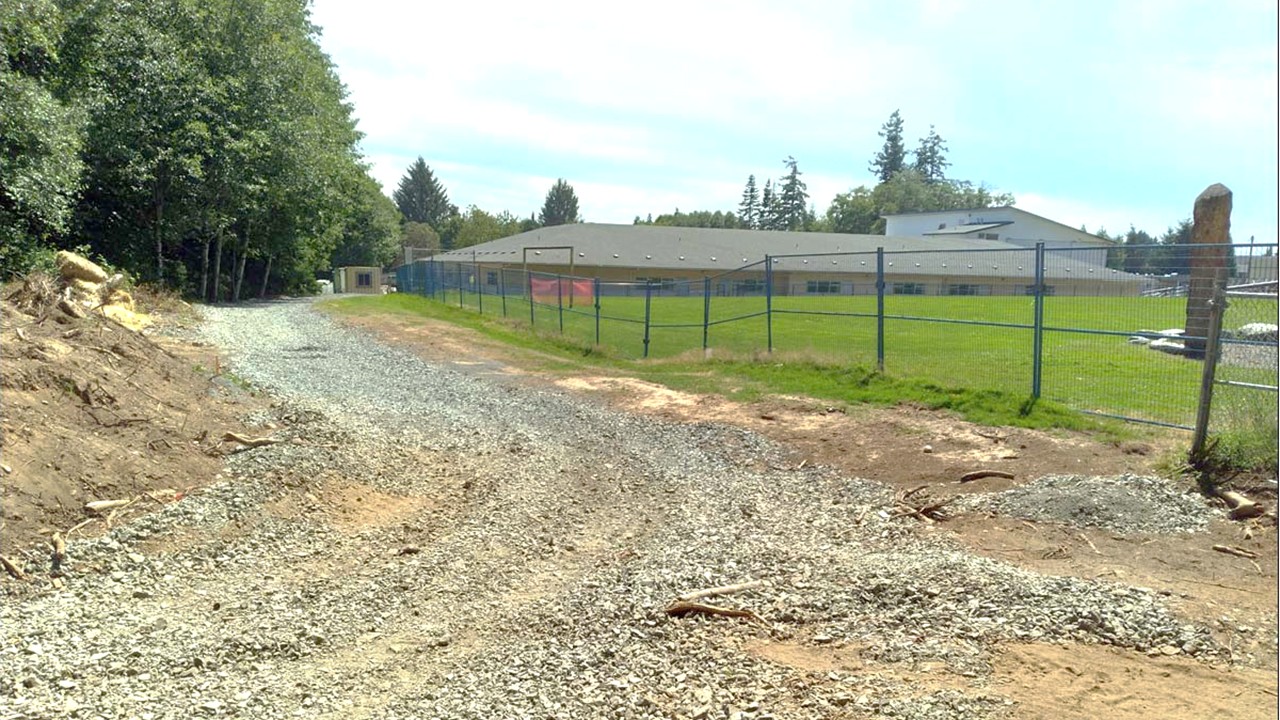
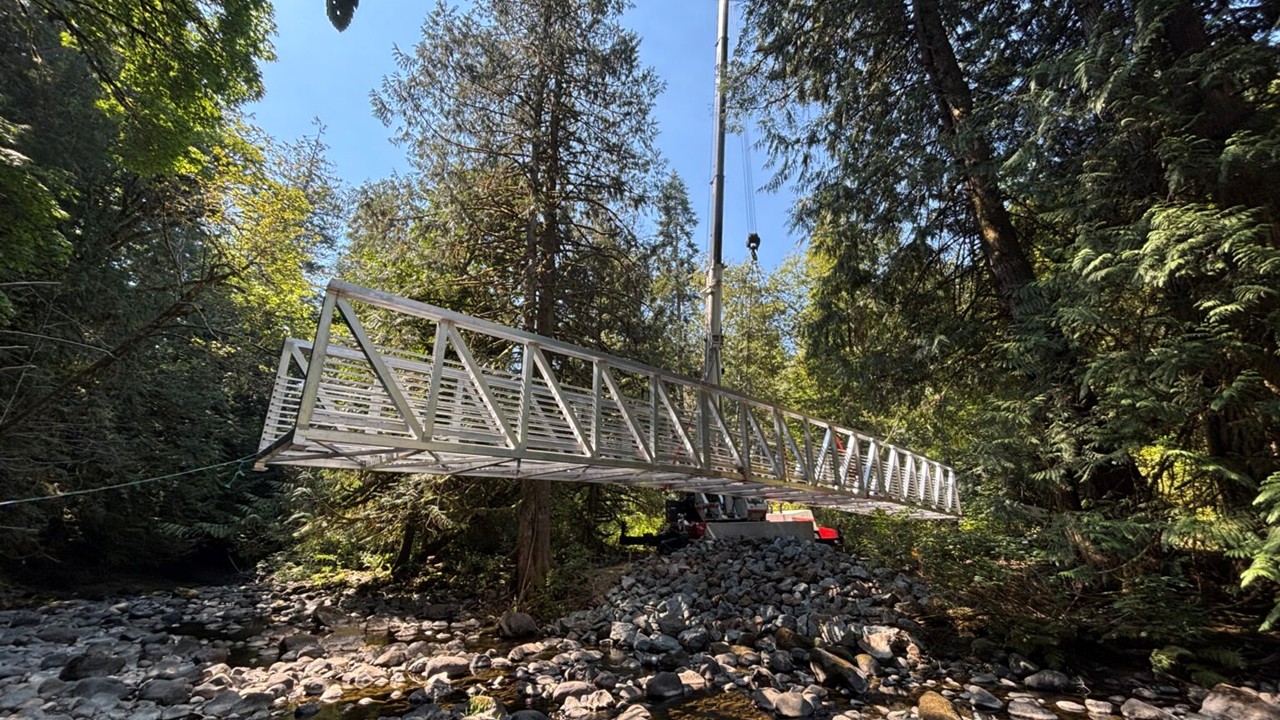
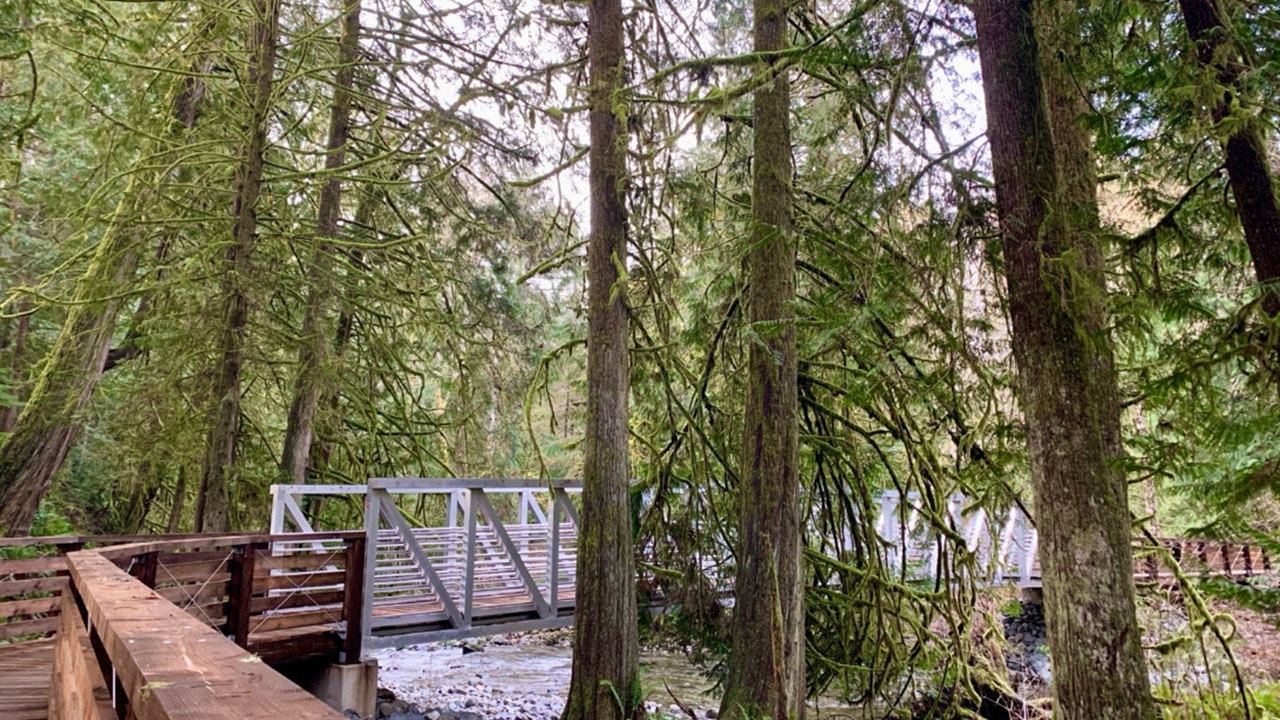
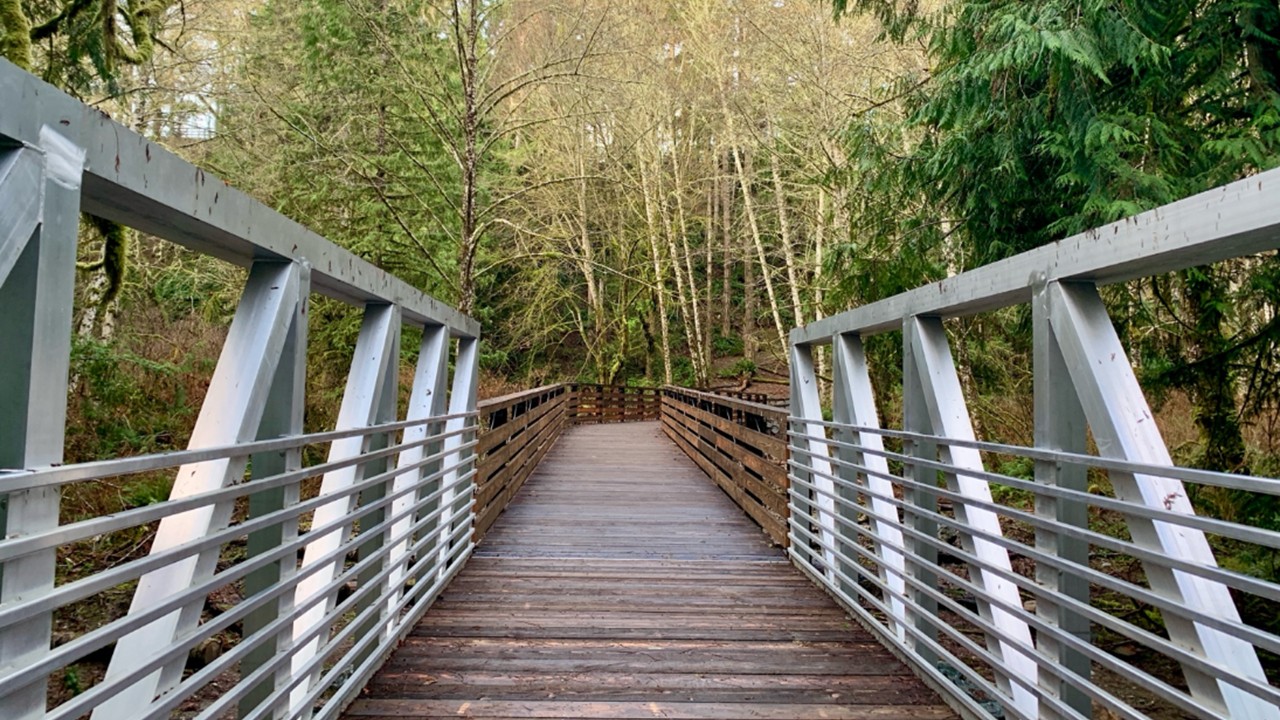
This new crossing connects the Sunriver neighbourhood, Poirier Elementary, Journey Middle School, and Sooke’s town centre through a 600-metre route that moves through this forested landscape.
Not long ago, travelling between these places meant following a much longer route along Highway 14. Today, that connection feels very different.
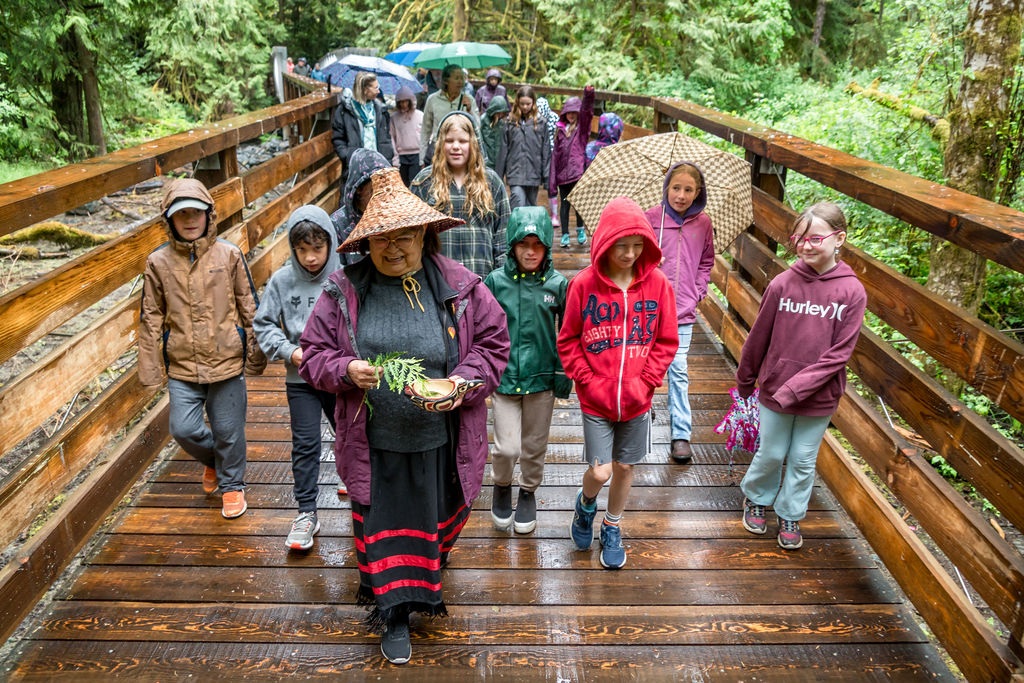
Instead of travelling along the highway, you can walk beneath a canopy of evergreens.
You can hear the movement of water.
You can feel the shift as you move through this space—where the sounds of traffic are replaced by birds, wind in the trees, and the rhythm of the river itself.
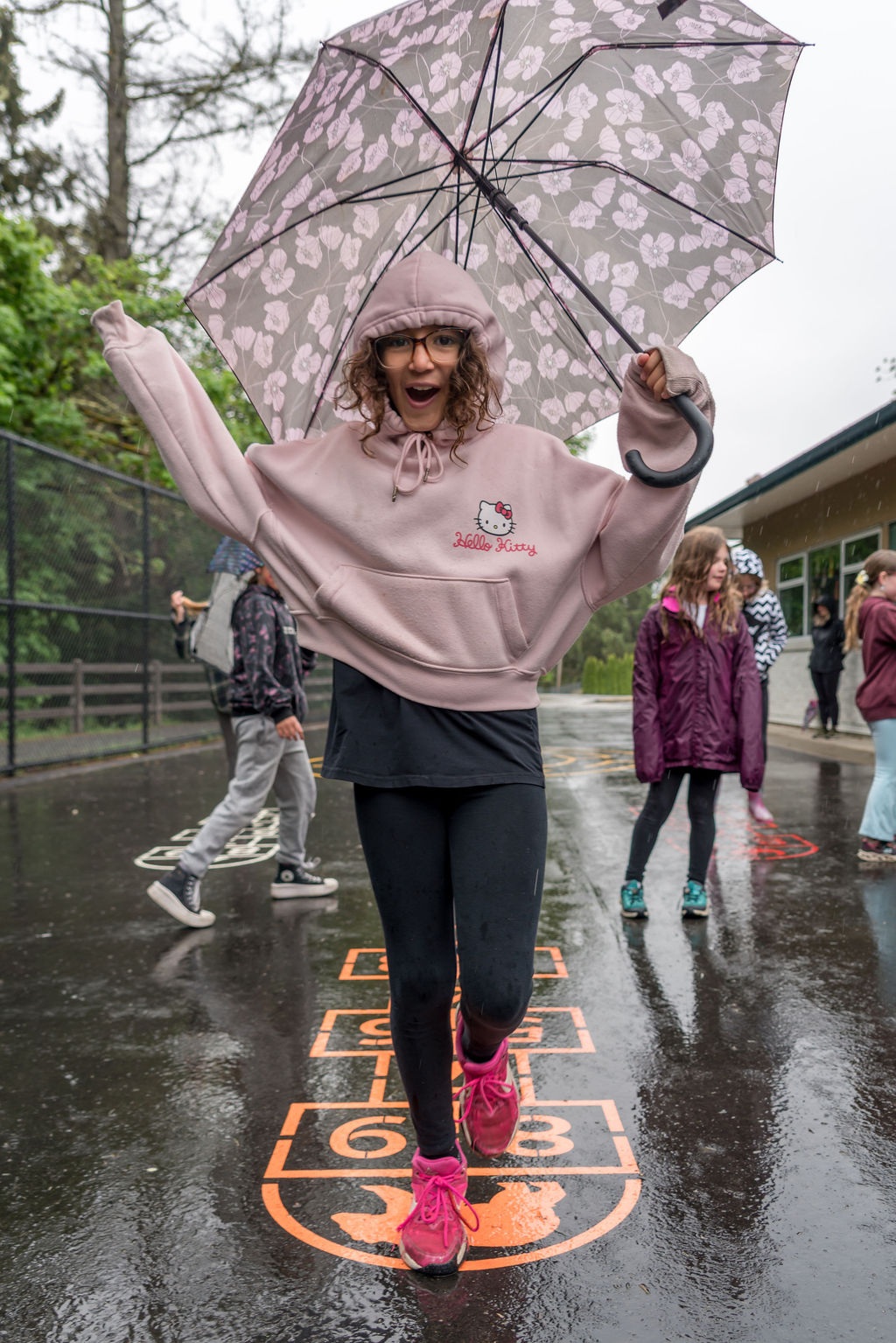
You might see students walking together on their way to school, families moving along the trail in the afternoon, or neighbours pausing along the way to take in the surroundings.
This is not just a route from one place to another—it’s an experience of place.
And that is what makes this connection unique.
Its proximity to our schools creates opportunities for learning that extend beyond classroom walls.
Here, the forest, the river, and the surrounding environment become part of how students and families experience and understand the world around them.
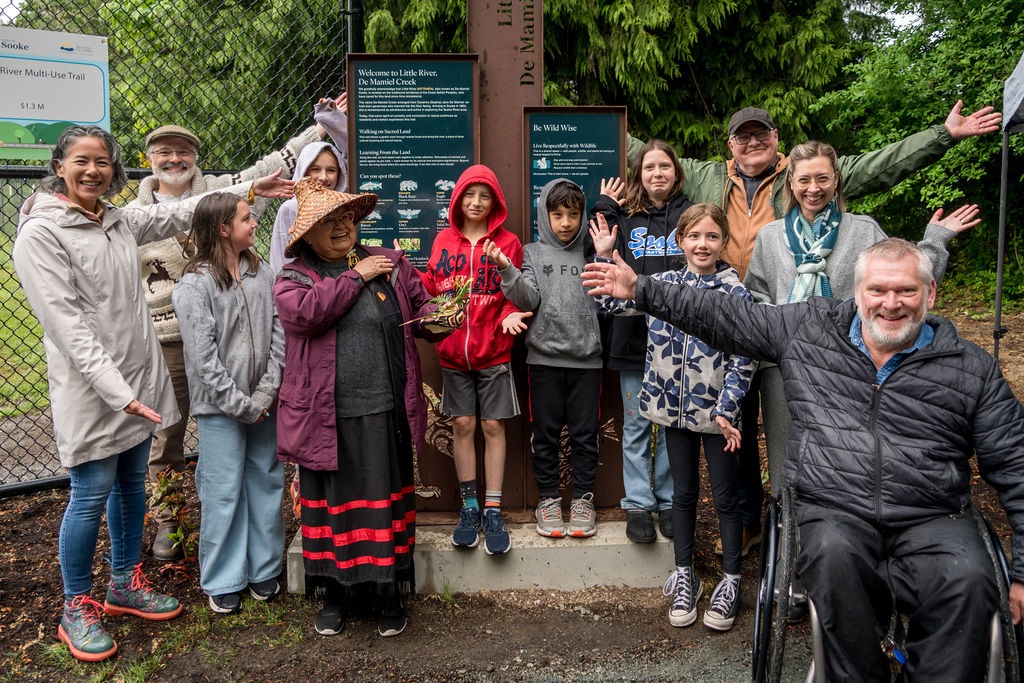
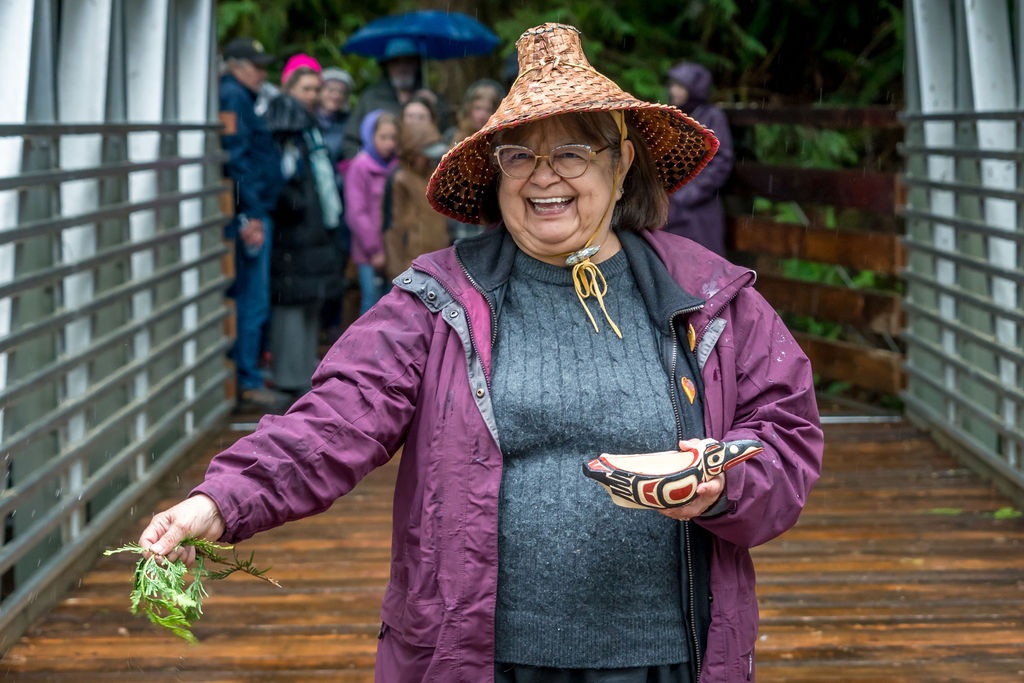
Along the trail, you’ll also encounter Coast Salish art integrated into the landscape. These elements reflect the history, culture, and ongoing relationship to this place, inviting people to pause, learn, and deepen their understanding of DeMamiel Creek.
The District of Sooke is honoured to be working with local knowledge keepers to help capture and share the history of our places. As part of this work, we will be developing new videos that honour oral storytelling traditions, support the preservation of the SENĆOŦEN language, and ensure these stories continue to be shared with future generations.
You’ll see new signage take shape as phrases are translated, and as we stand with our friends and the T’Sou-ke Nation community in support of language and cultural preservation, and celebration.
This project builds on a vision that has been shaped over many years.
I want to recognize the Parks and Trails Advisory Committee, including Kendall Arnold, John Boquist, James Bouthiller, Debbie Clarkson, Ross Reid, and Mark Ziegler, for their role in guiding this work—beginning more than a decade ago.
I’d also like to acknowledge the Juan de Fuca Community Trails Society—Sid Jorna, Murray Tomkins, Gus van Arenonk, and Terry Cristal—for their early advocacy and for helping bring forward the idea of this connection.
Thank you as well to Chief Larry Underwood and the T’Sou-ke Nation for their guidance throughout the project, particularly in relation to cultural and environmental considerations.
We also acknowledge the Government of Canada for its $1.3 million investment through the Active Transportation Fund, and the Province of British Columbia for its $500,000 contribution. I’d also like to recognize former MP Randall Garrison for his continued advocacy in support of projects like this in Sooke, and extend my appreciation to MP McLean for their support. And, importantly, we honour the late John Horgan, whose leadership, commitment to community, and deep connection to this region helped advance investments that continue to benefit Sooke residents today.
Thank you as well to Sooke School District 62 for their partnership and collaboration.
Within the District, I want to recognize Emma Taylor, our Manager of Parks and Facilities, whose leadership and coordination helped guide this project from planning through to completion—and under budget. I’d also like to acknowledge Laura Hooper for the foundational work that supported this project in its earlier stages.
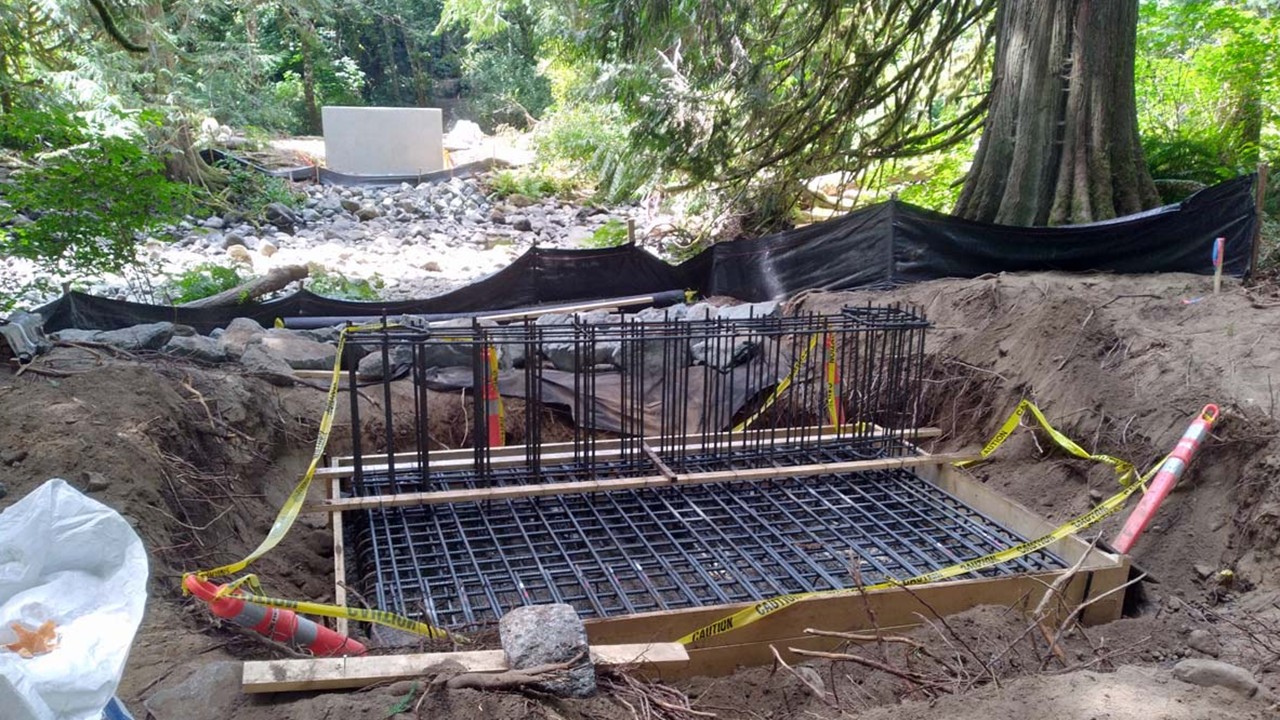
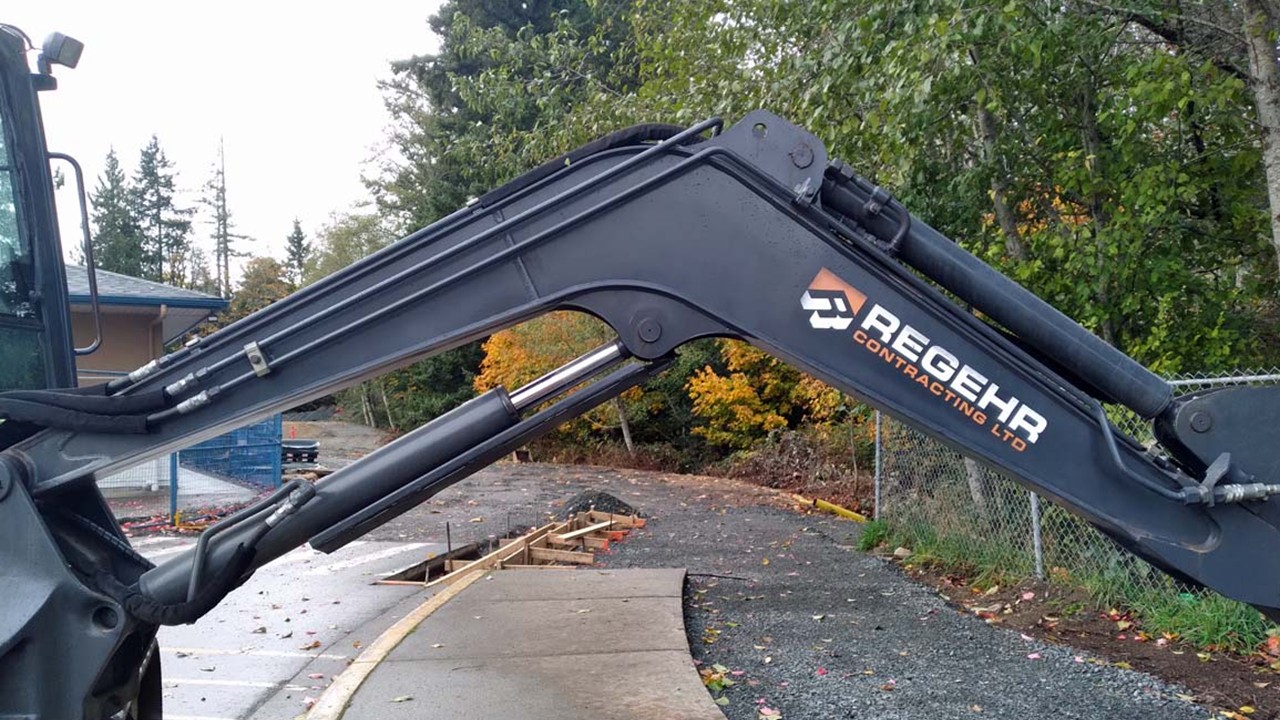
And of course, thank you to our project partners, including ISL Engineering, Ramada for their work in the early phase, and Regehr Contracting Ltd. for delivering this project.
Today marks not just the completion of a project, but the realization of a long-standing community vision—one that brings people and places closer together in a way that reflects Sooke’s landscape and values.
This is a place to move through—but also a place to learn from, and to connect with what makes Sooke unique.
Thank you to everyone who helped bring this vision to life.
We invite the community to experience this place—respectfully, thoughtfully, and with a sense of connection to the land and to one another.