
T’Sou-ke Nation treats invasive knotweed species along Sooke River to protect cultural and ecological values
The District of Sooke is sharing the following from the T'Sou-ke Nation:
T'Sou-ke Nation, District of Sooke, and Capital Regional District continue collaborative effort to stop the spread of invasive knotweed along the Sooke River
T'Sou-ke Nation has been issued a Pesticide Use Permit (#402-0694-25-28) by the Ministry of Environment and Parks to undertake targeted invasive knotweed control along portions of the Sooke River and Charters Creek. Working in partnership with the District of Sooke and the Capital Regional District (CRD), this long-term initiative aims to prevent the spread of one of the world's most destructive invasive plants while protecting the cultural, ecological, and recreational values of the river system.
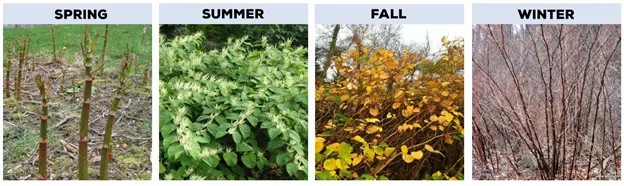
Knotweed spreads aggressively through underground rhizomes and small root or stem fragments that can be carried by water, soil, equipment, vehicles, boots, and clothing. Once established, it forms dense stands that displace native riparian vegetation, destabilize streambanks, increase erosion and sedimentation, degrade water quality, reduce fish habitat, alter drainage patterns, and impact nearby infrastructure. These effects can also limit access to the river for wildlife, recreation, and traditional land use.
Although knotweed is currently limited to approximately 0.15 hectares along a 2.3-kilometre stretch of the Sooke River system, it can spread rapidly if left untreated. Addressing infestations while they remain small provides the best opportunity to restore healthy riparian ecosystems, protect salmon habitat, preserve culturally important values, and avoid significantly larger and more costly infestations in the future.
“Stewarding our lands and waters is a responsibility we carry for our ancestors, our community, and future generations,” said Chief Larry Underwood, T’Sou-ke Nation. “The Sooke River system sustains salmon, wildlife, native plants, and cultural practices that have supported our people since time immemorial. By working together through indigenous stewardship and sound science, we are protecting and restoring this vital ecosystem for generations to come.”
Since 2019, T'Sou-ke Nation, the District of Sooke, the CRD, and provincial specialists have worked together to inventory knotweed populations, assess treatment options, and develop a long-term management strategy. Following comprehensive evaluation, it was determined that the targeted application of site-suitable herbicides would be the most effective means of eliminating knotweed from the river system with the least impact to the environment of any of the treatment options, including the option to not treat the knotweed. Mechanical removal was not considered suitable due to the bouldery river substrate and the high risk of breaking plants into fragments that could spread downstream, increasing infestations and sedimentation.
“The Sooke River is at the heart of our community, providing a place for residents and visitors to connect with nature, enjoy time on the water, and appreciate the beauty of our natural surroundings,” said Mayor Maja Tait, District of Sooke. “A healthy river system supports our community, wildlife, and the ecosystems we all value. The District is proud to support this collaborative effort with T’Sou-ke Nation, the Capital Regional District, and provincial partners to protect this important natural area and preserve it for future generations.”
To support this goal, treatment methods have been selected through a comprehensive scientific review process and will follow all federal and provincial requirements. All herbicides registered for use in Canada are rigorously evaluated by Health Canada’s Pest Management Regulatory Agency (PMRA). A herbicide is only approved for use when scientific evidence demonstrates that it will not pose unacceptable risks to human health or the environment when applied according to label directions.
In accordance with PMRA regulations, the 2026–2029 Pesticide Use Permit (PUP) treatment plan for the Sooke River will use Habitat® Aqua and Roundup WeatherPRO®, two herbicides selected for their proven effectiveness in controlling invasive knotweed.
Habitat® Aqua is specifically formulated for use in and adjacent to aquatic environments and will be the preferred herbicide during the treatment period. Qualified applicators will apply Habitat® Aqua directly to knotweed leaves using targeted foliar applications. Roundup WeatherPRO® will serve as a secondary treatment method when knotweed leaves cannot be effectively accessed using foliar application. In these situations, qualified applicators will use stem injection, inserting the herbicide directly into the hollow stems of the plant to eliminate the potential for herbicide drift.
“Knotweed is a significant invader in our region and immediate action is needed to protect the Sooke River and Charters Creek. Addressing invasive knotweed requires a coordinated, long-term approach grounded in internationally recognized best management practices,” says Glenn Harris, Acting General Manager, Parks, Recreation & Environmental Services, CRD. “This collaboration between T’Sou-ke Nation, the District of Sooke, and the Capital Regional District, supported by local community partners, demonstrates what we can achieve when we work together to protect the environment. By acting now, we can reduce the harmful impacts of knotweed and help restore the ecological health of the Sooke River system.”
Initial treatment is currently underway while knotweed is actively growing and river levels are seasonally low. Treatment is expected to be completed by July 31, 2026. Depending on treatment results, follow-up applications may occur up to twice annually through 2029 to achieve effective long-term control. Treatment sites will be monitored throughout the growing season to evaluate effectiveness and identify any non-target effects.
Public notification signs are posted at treatment locations identifying when work was completed, which herbicide was used, when it is safe for people and pets to re-enter the area, and a contact number for questions. Members of the public are asked to avoid treated plants for 24 hours following application to allow the herbicide to be fully absorbed. Once dry, the herbicide is bound within the plant and it is safe to come into contact with the treated vegetation.
This work builds on successful knotweed management efforts elsewhere on Vancouver Island. By acting early and maintaining a coordinated, long-term approach, the project partners are working to protect the ecological integrity of the Sooke River system, restore healthy riparian habitat, support salmon and other culturally important species, and prevent the spread of invasive knotweed throughout the watershed.
More information including Frequently Asked Questions, the treatment plan, and contact information can be found on the Nation's website: https://tsoukenation.com/invasive-knotweed-control/.
Sign up to our Newsletter
Stay up to date on the District’s activities, events, programs and operations by subscribing to our eNewsletters.